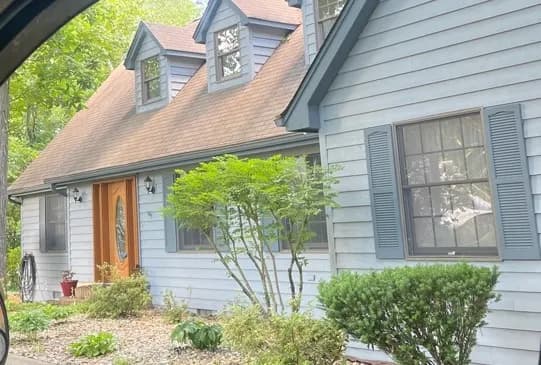
Replacing your own siding can look like a good way to save money. Before you install siding yourself, it is worth knowing what the job really takes. As a siding company serving the Nashville and Knoxville areas, we have seen the results of DIY siding installs and heard plenty of stories about how they turned out. Siding has to be installed correctly to keep water out of your walls, and getting it right takes the right equipment, training and time.
The right equipment
Siding installation takes more than a ladder. Most two-story homes need scaffolding or pump jacks to work safely along a full wall, and you will need a way to get rid of the old siding, whether that is a rental dumpster or several trips to the landfill. At minimum, you will also need:
- Power saw with a fine-tooth or plywood blade
- Hand saw
- Drill
- Hammer
- Scoring tool
- Snap-lock punch and an unlocking (zip) tool
- Level and framing square
- Chalk line and tape measure
- Tin snips
Plus the right fasteners for your siding and wall. You may own a few of these already, but buying the rest, learning to use them and storing them afterward adds up quickly.
Training and time
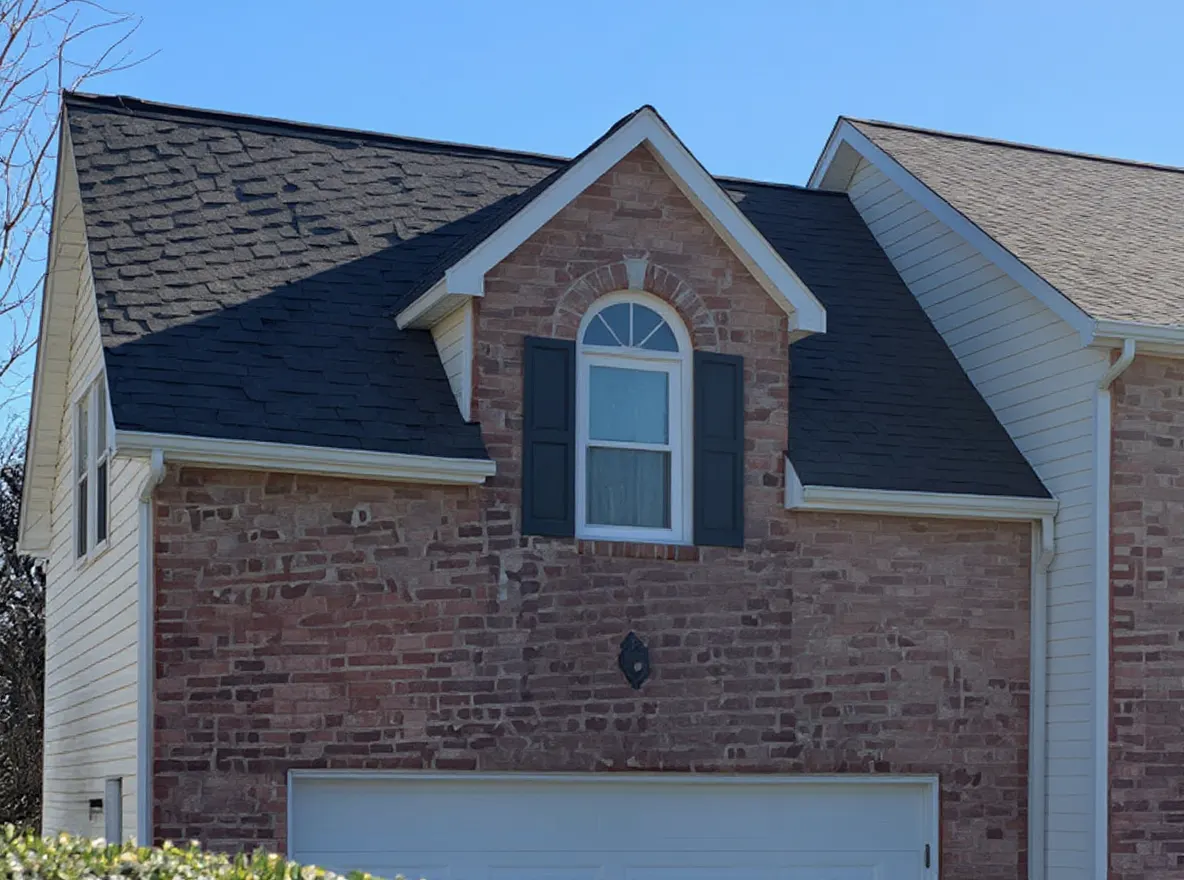
Do you know how to install the brand and type of siding you have chosen? Professional installers work with the same products week after week and follow the manufacturer's instructions as a matter of habit. Before you take on a DIY job, think about how long it will take to learn, and then how long it will take to strip the old siding and hang the new. The longer the project runs, the longer your walls sit exposed to rain.
Common mistakes when you install siding yourself
Most problems we see on DIY siding come down to a handful of mistakes. The industry installation manual from Polymeric Exteriors, formerly the Vinyl Siding Institute, spells out the rules each one breaks:
- Nailing too tightly. Vinyl expands and contracts with the temperature, so the manual calls for about 1/32 inch, roughly the thickness of a dime, between the nail head and the siding. Panels nailed tight cannot move, and they buckle.
- No room for expansion. Panels need at least 1/4 inch of clearance where they meet corner posts, trim and openings, and more when the siding goes up in cold weather.
- Skipping the water-resistive barrier. Vinyl siding is meant to go over a continuous water-resistive barrier that stops the water that gets behind the panels.
- Skipping flashing. Windows, doors and other openings need flashing integrated with that barrier before the siding goes on.
- Fasteners too far apart. The manual sets a maximum spacing of 16 inches for horizontal panels; wider spacing lets panels sag and blow loose.
- Not starting level. If the starter strip at the bottom of the wall is off, every course above it will be off too.
You can read the rules yourself in the Polymeric Exteriors installation manual. If it reads like a lot to get right on a ladder, that is the point.
Safety
Siding work means hours on ladders and scaffolding, often while handling long panels in the wind. A fall from a ladder can end a weekend project in the emergency room. A crew with proper staging and fall protection does the job faster and with far less risk than a homeowner working alone on weekends.
Your siding warranty
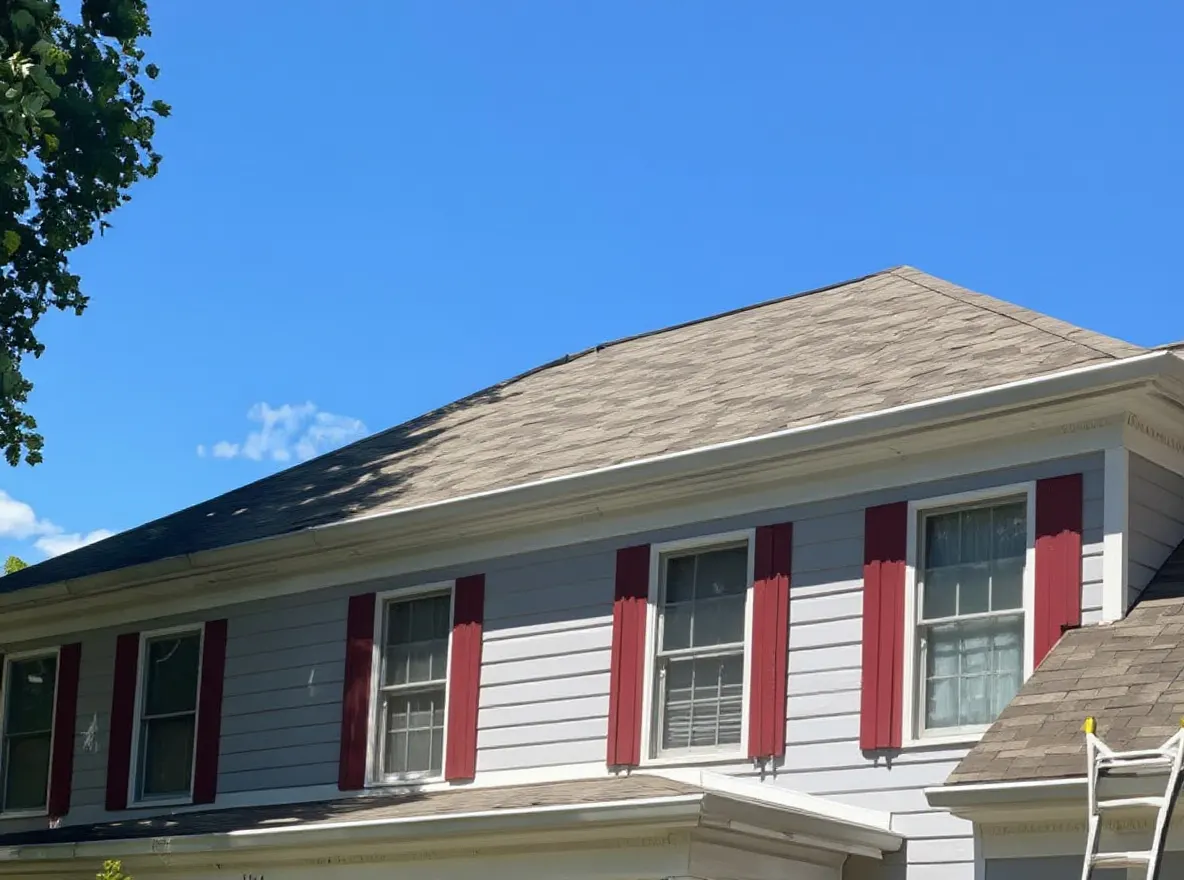
Some manufacturers sell only through trained contractors, and many siding warranties exclude problems caused by installation that does not follow the manufacturer's written instructions. If you are considering a DIY install, read the warranty terms before you buy, so a buckled wall does not turn into a claim that gets denied.
Can I install siding myself?
Technically, yes. But unless you have experience, the right tools and plenty of time, the risks usually outweigh the savings. A mistake does not show up on day one; it shows up a summer later as buckled panels, or years later as rotted sheathing behind a wall that looked fine. If your main goal is to save money, get a professional estimate first so you know what you are comparing against. And if you are weighing styles and materials, our guide to choosing your new siding is a good place to start.
Mobley Brothers Roofing & Renovation installs siding too
We are best known as a roofing company, but we also handle siding installation and repair for vinyl, wood and fiber cement throughout Middle and East Tennessee. If your gutters need to come down for the work, we can replace them with new seamless gutters in the same project. Both offices are A+ rated by the Better Business Bureau. Call our Lebanon office at (615) 455-3131 for Middle Tennessee or our Knoxville office at (865) 205-0800 for East Tennessee, or send us a request for your free estimate.
Request a free estimate
A few details help us send the right person. If water is coming in right now, call instead.