Hail, high winds and the occasional tornado are part of life in Middle and East Tennessee, and a roof takes the brunt of all of it. When a storm leaves your roof beyond repair, a full replacement is a big expense, so it makes sense to understand how to get insurance to pay for roof replacement before you file. This guide walks through what policies usually cover, what they usually do not, how to document the damage, how to read the adjuster's estimate, and where a local roofer fits in.
We are roofers, not adjusters or lawyers, and no contractor can promise how a claim will turn out. What we can do is show you what the damage looks like, help you keep good records, and explain the process in plain language.
Does homeowners insurance cover storm damage to a roof?
In most cases, yes. Standard homeowners policies are written to cover sudden damage, such as hail breaking shingles or wind tearing them loose, with your deductible applied. They are not written to pay for a roof that simply wore out. That difference between sudden damage and normal aging is behind most of the questions we hear:
- Is the damage on my roof from the storm, or from age?
- Is it bad enough for a replacement, or will the insurer pay for a repair?
- What will I owe out of pocket once the claim is settled?
The answers depend on your policy and on what the adjuster finds, so the best first step is to read your declarations page and know what kind of coverage you have.
What your policy covers after a Tennessee storm
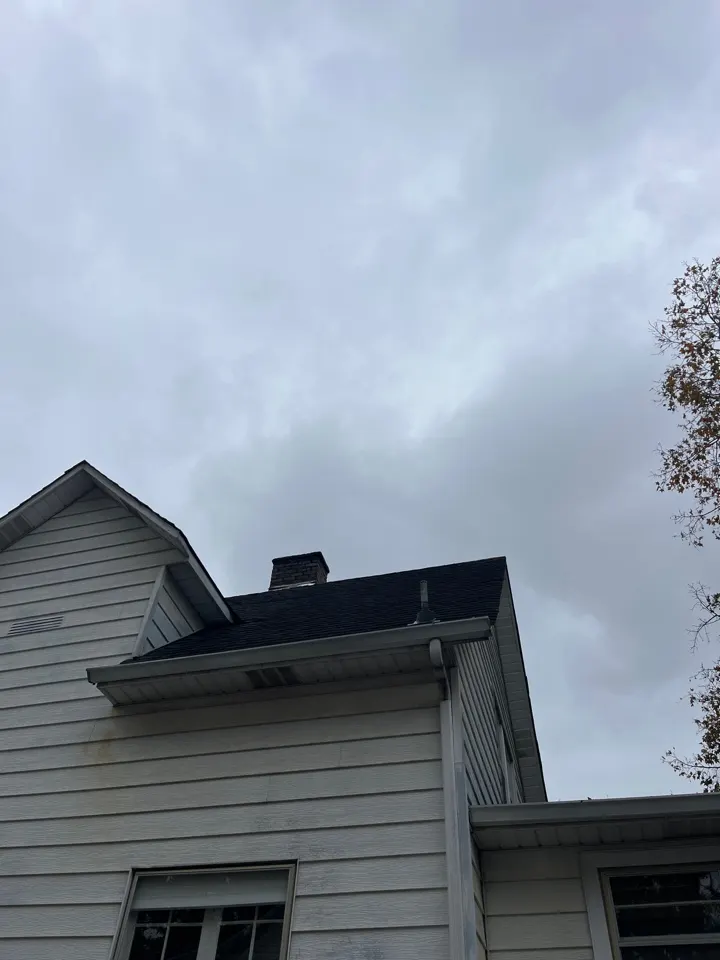
Strong thunderstorms, hail, tornadoes and straight-line winds can all cause roof damage that a standard policy may cover. How broad that coverage is depends partly on the type of policy:
- Open perils policies cover damage from any cause unless the policy specifically excludes it.
- Named perils policies cover only the causes listed, which commonly include fire, lightning, windstorm, hail, the weight of ice or snow, and vandalism.
Either way, flood and earthquake are commonly excluded and need separate coverage. The dwelling portion of the policy is what usually pays for roof repairs or a replacement, along with storm damage to siding and windows. If a leak or a falling limb damages belongings inside, personal property coverage may apply too.
Look closely at your deductible. Some policies carry a separate wind and hail deductible, and it may be figured as a percentage of your dwelling coverage instead of a flat amount, which can make it larger than you expect. The Tennessee Department of Commerce and Insurance has a plain-language Homeowners Insurance 101 guide worth reading before you file.
What insurance usually will not pay for
Claims are most often limited or denied because of the cause or the condition of the roof. Common exclusions and limits include:
- Long-term wear, age or poor maintenance, as opposed to sudden storm impact
- Cosmetic damage, like minor dents, that does not affect how the roof performs
- Policy exclusions or endorsements that limit certain kinds of storm coverage
- Actual cash value policies, which subtract depreciation instead of paying full replacement cost
Depreciation surprises a lot of homeowners. If your roof is near the end of its expected life, an insurer may pay only part of the replacement cost, on the reasoning that the roof would have needed replacing soon anyway. Knowing this ahead of time helps you read your settlement without surprises.
Signs storm damage may justify a full replacement
Whether a claim covers a repair or a whole new roof comes down to how much damage there is, both what you can see and what you cannot. These are the signs that point toward roof replacement rather than a patch:
- Missing or lifted shingles across more than one area after high winds
- Hail bruises, cracks or impact marks spread across several slopes
- Cracked or broken roofing materials, including ridge caps and flashing
- Water stains on ceilings or walls that appeared after the storm
When damage covers large sections of the roof or reaches the decking underneath, repairs may not restore the roof properly, and that is when insurers are more likely to approve a replacement. When the damage is limited, a repair is often the right answer, and we will tell you so. Our motto is simple: repair when we can, replace when we should.
How to document roof storm damage
Good documentation is the foundation of every claim. The trouble is that most homeowners cannot safely get on the roof, and many would not know what to look for if they did. Please stay on the ground. When you call us, a repairman walks the roof, checks the attic when needed, and photographs every finding. Our team includes a HAAG Certified Inspector for residential roofs, and you get the photos to share with your insurance company.
Beyond photos, open a simple claim file and keep everything in it:
- Your claim number and the name of your adjuster
- The date, time, name and topic of every call with your insurer and your contractors
- Receipts for anything you spend to clean up or prevent further damage
- A record of any emergency or temporary repair work and who did it
- Every estimate for repairs inside and outside the house
Keep the file after the roof is replaced. A mortgage company or a future buyer may ask about the work.
Steps to get insurance to pay for roof replacement
- 01
Photograph what you can see safely from the ground, inside and out, before any cleanup.
- 02
Call your insurance company as soon as you suspect damage. After a big storm many neighbors file at once, and calling early gets you on the adjuster's schedule sooner. Write down your claim number and who you spoke with.
- 03
Call your roofer right away, since good roofers get busy after a storm. Tell them you have a claim, and tell them if the roof is open so they can protect it first.
- 04
Schedule the adjuster's visit and share your roofer's photos and estimate.
- 05
Read the adjuster's estimate carefully and compare it with your roofer's scope of work.
- 06
Follow up regularly, and file a supplement if more damage turns up once work begins.
After a large storm it can take days or even weeks for an adjuster to reach you. You do not have to wait to stop a leak. Temporary measures such as tarping keep water out in the meantime, and our emergency roof repair page explains how we handle those calls. Hold off on permanent repairs until the insurance company has inspected the damage.
What happens when the adjuster inspects
The adjuster's inspection is usually straightforward. The adjuster looks at the roof and the rest of the exterior, such as siding, gutters and windows, for missing shingles, hail impacts, soft spots and other damage, then reports what the policy covers. The adjuster works for the insurance company, not for you or for us.
It can help to have your roofer there. If you would like, we can meet the adjuster on site and point out the damage we documented, so nothing is overlooked. If we believe the damage came from the storm and the adjuster sees it differently, we will explain what we are seeing and why. The conversation about money stays between you and your insurer, because a roofer is not allowed to negotiate a claim or represent you to the insurance company.
Reading the insurance estimate: RCV, depreciation and ACV
Once the adjuster decides what needs repair or replacement, you will receive a written estimate, often called a statement of loss. Ask for a copy if you do not get one. It usually lists each item in three columns:
- Replacement cost value (RCV): what it costs to repair or replace the item today
- Depreciation: the amount subtracted for the age and wear of what is being replaced
- Actual cash value (ACV): the RCV minus depreciation
If your policy pays replacement cost, the insurer typically pays the ACV minus your deductible first, then releases the depreciation it held back, often called recoverable depreciation, once the work is finished. If your policy pays only actual cash value, you may not get that depreciation back. Your policy spells out which applies.
A complete estimate covers materials, labor, tear-off of the old roof and related items such as flashing, ventilation and decking. We compare our scope with the insurer's and point out anything that looks missing. If there is a big gap, for example we recommend a new roof and the estimate covers a repair, ask your insurer to send the adjuster back and invite your roofer to be there at the same time.
When patching falls short
When hail or wind damage is spread across several slopes, patching can leave a roof that neither looks right nor performs right. Matching is a real problem: a shingle color may be discontinued, or new shingles may not blend with weathered ones, and code requirements can affect what a repair has to include. When repairs will not restore the roof's function or appearance, a full replacement is often the better long-term answer. Our roof insurance claim page explains how shingle-match testing and documentation can support that case.
You choose your roofer, not the insurance company
Your insurer may suggest contractors, but the choice is yours. For larger structural damage claims under a homeowners policy, Tennessee law requires the insurer to give you a written statement of your rights, including the right to have repairs made by a contractor of your choice who works for you, not for the insurance company (Tennessee Public Chapter 226, codified at Tenn. Code Ann. 56-7-125). Read more in do I have to use my insurance company's roofer.
Whoever you hire, look for:
- Local experience with storm damage and familiarity with area building codes
- A Tennessee contractor license you can verify, and proof of insurance
- A clear explanation of your deductible and how payment works
- A detailed written estimate you can set beside the insurance scope
- Reviews going back years, and an office you can find after the storm passes
Why one company for roof, siding and gutters helps
Storms rarely stop at the roof. If your siding and gutters were damaged too, one company for the whole job has real advantages:
- A shorter timeline. The roof usually comes before the siding, and one company can schedule its own crews back to back instead of waiting on two calendars.
- A simpler claim. Your photos, estimates and paperwork come from one place.
- One company accountable. If a leak shows up later, there is no second contractor to point at.
We repair roofing, siding, gutters, fascia and soffit, so your documentation and the work stay together. See our storm damage roof repair page for how we handle wind and hail calls.
Questions about getting insurance to pay for a roof
Can I appeal my insurance company's decision?
Yes. If a claim is denied or comes back smaller than the damage, ask for the decision and the reason in writing, request a reinspection, and send additional documentation such as your roofer's photos and report. If you still cannot reach agreement after working with your claim representative, agent and company, the Tennessee Department of Commerce and Insurance takes consumer complaints.
Can Mobley Brothers file the claim for me?
No. The policyholder files the claim. We can explain the process, provide photos and a written estimate, and meet your adjuster on site to point out what we documented.
Do I have to pay my deductible?
Yes. The insurer subtracts your deductible from the claim payment, and you pay that amount as part of the project cost.
Can a claim be denied because of the roof's age?
It can be limited or denied if the adjuster attributes the damage to wear, poor maintenance or age rather than the storm. Older roofs may also be paid at actual cash value, which subtracts depreciation.
How long do I have to file a claim after a storm?
Your policy sets the deadline, and some are shorter than others, so check yours or ask your agent. The deadline is for filing the claim, not for finishing the repairs. Read more about when it is too late to file a storm damage claim, and file as soon as you can.
What if my roof leaks before the adjuster arrives?
Limit the damage. Put buckets under drips, including in the attic if you can reach the leak safely, move belongings and photograph everything. A roofer can put on a temporary fix such as a tarp. Keep the receipts, and hold off on permanent repairs until the adjuster has inspected.
Talk with a local roofer before you file
If a storm has damaged your roof, the right first call can make the whole process less stressful. Mobley Brothers Roofing & Renovation has helped homeowners across East and Middle Tennessee with storm damage since 2007. Call our Lebanon office at (615) 455-3131 for Middle Tennessee or our Knoxville office at (865) 205-0800 for East Tennessee, or send us a message and we will set up a free roof inspection.
Request a free estimate
A few details help us send the right person. If water is coming in right now, call instead.