Does roofing repair require a permit in Nashville? Sometimes. Metro Nashville treats most small roof repairs as normal maintenance that needs no permit, but a new layer of shingles over an old roof, a replacement of more than one third of the roof, a full roof replacement, or work on the roof's structure all need a building permit from Metro Codes. Working with an experienced local roofer helps you sort out the paperwork and avoid holdups. Below we walk through Metro's rules, how the permit process works, what inspectors check, and how the rules differ in Lebanon, Wilson County and Knoxville.
Do not skip the permit to save time
Permits are the last thing you want to think about when your roof is leaking. You are already frustrated, and adding red tape to the project only adds stress. It is tempting to skip it so your home is protected before the next storm.
But permits are not something to ignore. They protect you, and unpermitted work can cause trouble later with an insurance claim or a home sale. It is worth understanding how the rules apply to your roof. If you would rather hand the question to someone else, call our Lebanon office at (615) 455-3131 and we will tell you whether your job needs one.
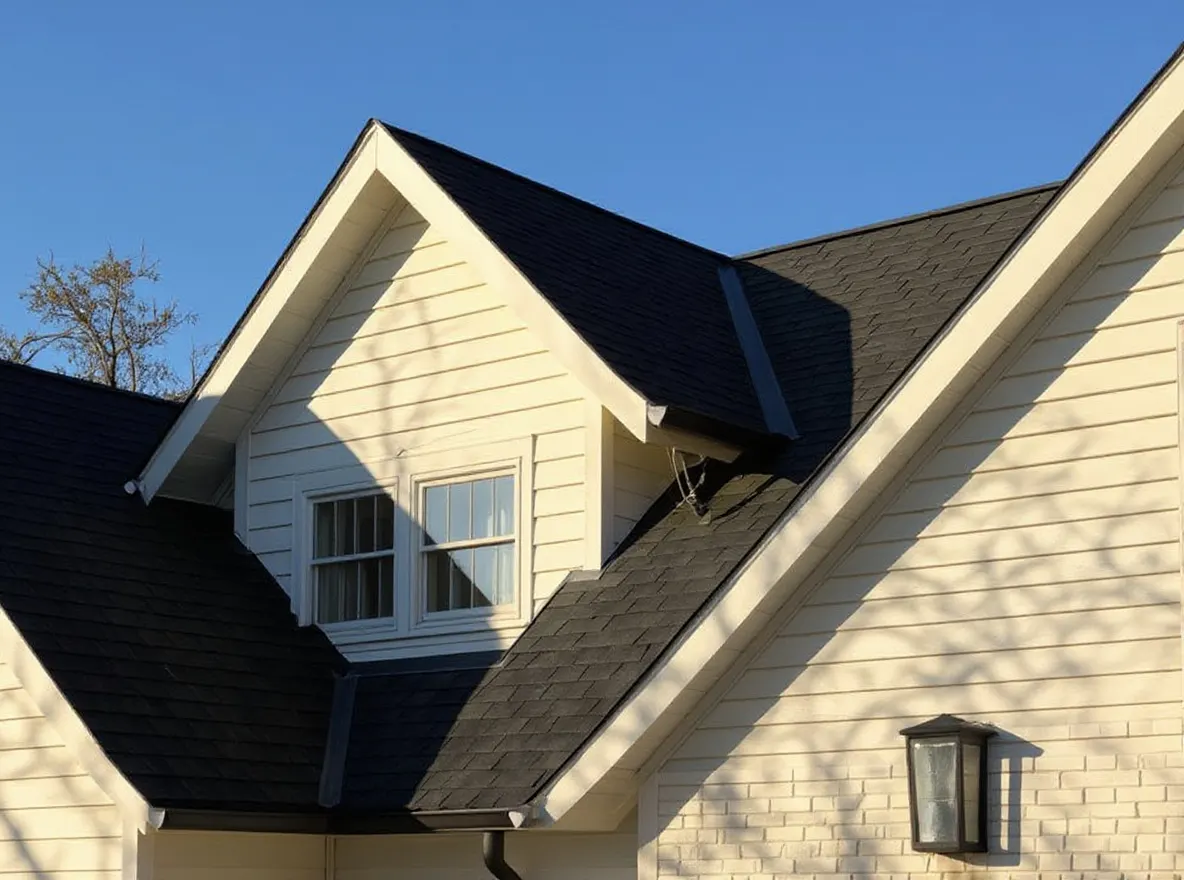
When a roof repair permit is required in Nashville
Metro Nashville's Department of Codes and Building Safety lists the roofing work that needs a permit on one- and two-family homes, and defines what counts as normal maintenance. In plain terms:
- Roof replacement: a permit is required. Metro's permit table lists roofing work that adds a new layer or replaces more than one third of the roof, and a full replacement is both.
- Overlays: adding a new layer of shingles over the existing roof requires a permit, even if nothing is torn off.
- Partial replacement: replacing more than one third of the roof requires a permit.
- Structural work: repairs that go beyond normal maintenance, such as removing or altering load-bearing framing, require a permit.
- Normal maintenance repairs: Metro defines these to include repairs to an existing roof not exceeding 33 percent of the roof area. Replacing storm-damaged shingles in one section, fixing a pipe boot, or resealing flashing around a chimney usually falls here, and no permit is needed.
When a job sits close to the line, ask. A quick call to Metro Codes, or a roofer who pulls Nashville permits regularly, can settle it before work starts. The cost of a permit is small next to the trouble of being told to redo work.
You can read Metro's own wording on its residential building permit procedures page.
Before work starts, ask your roofer three questions: does this job need a permit, who is pulling it, and when will the inspection happen? Then make sure the answers are written into your contract. That way there is no confusion about who is responsible if the inspector asks for a change, and you know the job is not finished until the permit is closed. Our post on roofing contract essentials lists what else the contract should cover.
Why a roofing permit is worth having
Most homeowners think of permits as a hassle, but they do real work for you. A permit creates a paper trail for the project, and a third party has to sign off before the job is closed out. An inspector checks the finished work against the building code, so problems like improperly fastened shingles or poorly installed flashing are more likely to be caught while the crew can still fix them.
Once the inspection passes, the permit becomes part of your home's official record. That documentation helps when you sell the house, and it can help answer questions if you ever file an insurance claim on the roof.
Code updates and your new roof
Metro Nashville periodically adopts newer editions of the International Residential Code and International Building Code, often with local amendments. Those updates can touch underlayment, ice barrier coverage, wind resistance, ventilation and more. When a permit is pulled, the new work has to meet the code in effect now, not the code that applied when the old roof went on. That is a good reason to ask your contractor which requirements apply to your project, and to work with a roofer who keeps up with code changes as part of the job.
Who can pull a roofing permit in Nashville
Metro allows two groups to obtain residential building permits:
- Property owners who live in, or intend to live in, a single-family home can pull their own permit, often called a self permit. The owner then takes on full responsibility for making sure the work meets zoning, building and trade codes.
- Contractors who are properly licensed and bonded with Metro Codes can pull permits within the limits of their licenses.
Metro also limits self permits for homes owned by an LLC or trust, and for rental or investment properties, to smaller jobs below a value threshold, so check Metro's single-family renovation guide if that applies to you.
Should you use a roofer who asks you to pull the permit?
There is nothing wrong with pulling your own permit, but being asked to do it by your roofer raises questions. The contractor may not be properly licensed or bonded to pull the permit, or may want to keep its name off the job because of past complaints. A reputable roofing contractor pulls the permit as a normal part of the job. You can check any contractor's state license at verify.tn.gov.
How the Metro Nashville permit process works
Despite their reputation, permits are usually straightforward. Working with the Metro Nashville Department of Codes and Building Safety generally goes like this:
- 01
Application: you or your contractor apply with the basic details of the job, including the scope of work, the property address and the contractor's licensing information.
- 02
Review: a straightforward reroof is reviewed quickly, while more complex structural work may need drawings or engineering documents.
- 03
Fees: permit fees are based on the type and value of the project.
- 04
Issuance: once approved, the permit is issued and work can begin.
- 05
Inspection: after the work is complete, an inspector reviews it against the code.
- 06
Close-out: when the work passes, the permit is closed and becomes part of the property's record.
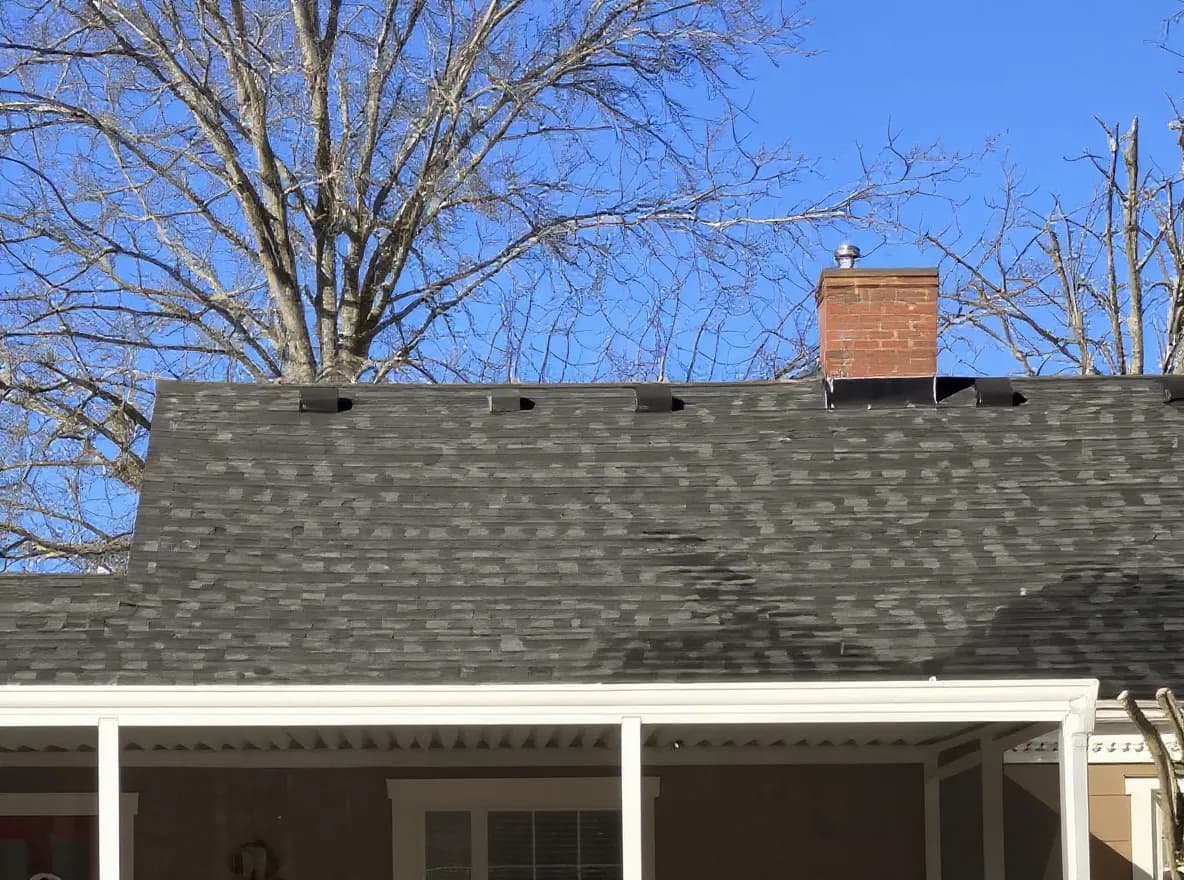
What roofing inspectors look at
Inspectors work through a checklist that depends on the job. On a typical reroof, expect them to look at:
- Deck condition: the decking should be sound, properly fastened and free of rot or damage.
- Underlayment and ice barrier: proper coverage at eaves, in valleys and around penetrations.
- Flashing: correct installation around chimneys, vent pipes, skylights and sidewalls.
- Fastening: shingles or panels nailed or fastened to the manufacturer's specifications.
- Ventilation: enough intake and exhaust to keep moisture from building up in the attic and damaging the deck.
Historic overlays, HOAs and fire ratings
For most Nashville homeowners, the building code is the only layer that applies. But if your home sits in a Historic Preservation Overlay or a Neighborhood Conservation Overlay, Metro directs you to contact the Historic Commission about any relevant rules, and materials or colors may need review. Start with the Historic Zoning Commission before you order materials.
Homeowners associations do not carry the legal weight of Metro Codes, but they can fine you or require changes. Read your HOA covenants for rules on roofing materials and colors before you commit.
Roof coverings are also classified by fire resistance under the building code, generally as Class A, B or C. Many architectural asphalt shingles carry a Class A rating when installed as specified. If you are changing materials, ask how the new roof's rating compares, because a change can affect what the permit requires.
Permits outside Nashville: Lebanon, Wilson County and Knoxville
Permit rules are set locally, so what applies in Davidson County may not apply next door. Inside a city, the city's codes office usually issues permits; in unincorporated areas, the county does. The Tennessee Department of Commerce and Insurance suggests checking with your local building codes office about permit and inspection requirements before work begins.
- In Lebanon, start with the city's residential development and permitting page.
- In unincorporated Wilson County, the Wilson County Building Codes Division issues building permits.
- In Knoxville, the city's Department of Plans Review and Inspections handles permits. Its guidance notes that reroofing buildings of 5,000 square feet or more, or more than two stories, requires a qualified design registrant.
- In unincorporated Knox County, including Hardin Valley, the Knox County Codes Administration issues permits.
Our Lebanon office handles Middle Tennessee work and our Knoxville office handles East Tennessee, and each works with its local codes offices regularly.
Do commercial roofs need permits?
Commercial reroofing is generally permitted work, and larger buildings may also need a design professional involved, as Knoxville's rule above shows. Rules vary by jurisdiction and project size, so check with the local codes office or ask your commercial roofer to confirm before the job is scheduled. See our commercial roofing page for the TPO, EPDM, PVC and metal systems we install.
Roofing permit questions we hear
Will my insurance cover unpermitted repairs?
It depends on your policy and the circumstances, but unpermitted work can complicate or delay a claim later. Pulling the required permits protects you and limits confusion if you ever need to file. If storm damage is what brought you here, see our storm damage roof repair page.
Do I need a permit for a small roof repair?
Usually not in Nashville. Metro counts repairs to an existing roof that do not exceed 33 percent of the roof area as normal maintenance. Replacing a few damaged shingles, fixing a pipe boot or resealing flashing typically needs no permit. For a leak that needs attention now, our roof leak repair page explains what to do first.
Will an inspector need to see my roof after it is fixed?
If the work needed a permit, yes: an inspector visits to check the work and close out the permit. If the job was normal maintenance and no permit was pulled, there is no inspection.
Can I pull my own roofing permit in Nashville?
If you live in, or intend to live in, the single-family home, Metro lets you pull a self permit, and you take responsibility for the work meeting code. For homes held in an LLC or trust and for rentals, self permits are limited to smaller jobs, so larger work goes through a licensed, bonded contractor.
How can I check that my roofer pulled a permit?
Contact Metro Codes with your property address to confirm the permit and its status. It is a quick step and worth taking before the final payment.
Does replacing roof decking need a permit?
Replacing decking as part of a reroof that already needs a permit is covered by that permit. Structural repairs beyond normal maintenance, such as framing work, need a permit on their own. If you are unsure where a decking repair falls, ask Metro Codes or your roofer before work starts.
Work with Mobley Brothers for hassle-free roof permitting
If you are planning a roof replacement or a significant repair in Nashville, a permit is likely part of the job, and you do not have to handle it alone. When our work needs a permit, we handle the process from start to finish, and we build to the code that applies so the inspection holds no surprises. Mobley Brothers has been roofing in Tennessee since 2007 and holds Tennessee contractor license 59116. For Nashville and Middle Tennessee, see our Nashville roofing page. Call our Lebanon office at (615) 455-3131 for Nashville and Middle Tennessee, or our Knoxville office at (865) 205-0800 for East Tennessee. You can also send us your details online and we will get back to you.
Request a free estimate
A few details help us send the right person. If water is coming in right now, call instead.